Beyond the Caftan : Best Hidden Travel Traditions
Beyond the Caftan ,So here’s something pretty cool: in 2025, UNESCO basically gave the Moroccan caftan a gold star by adding it to their list of Intangible Cultural Heritage of Humanity. And honestly? It’s about time. Moroccans have been rocking these gorgeous robes for centuries, and the rest of the world is finally catching on.
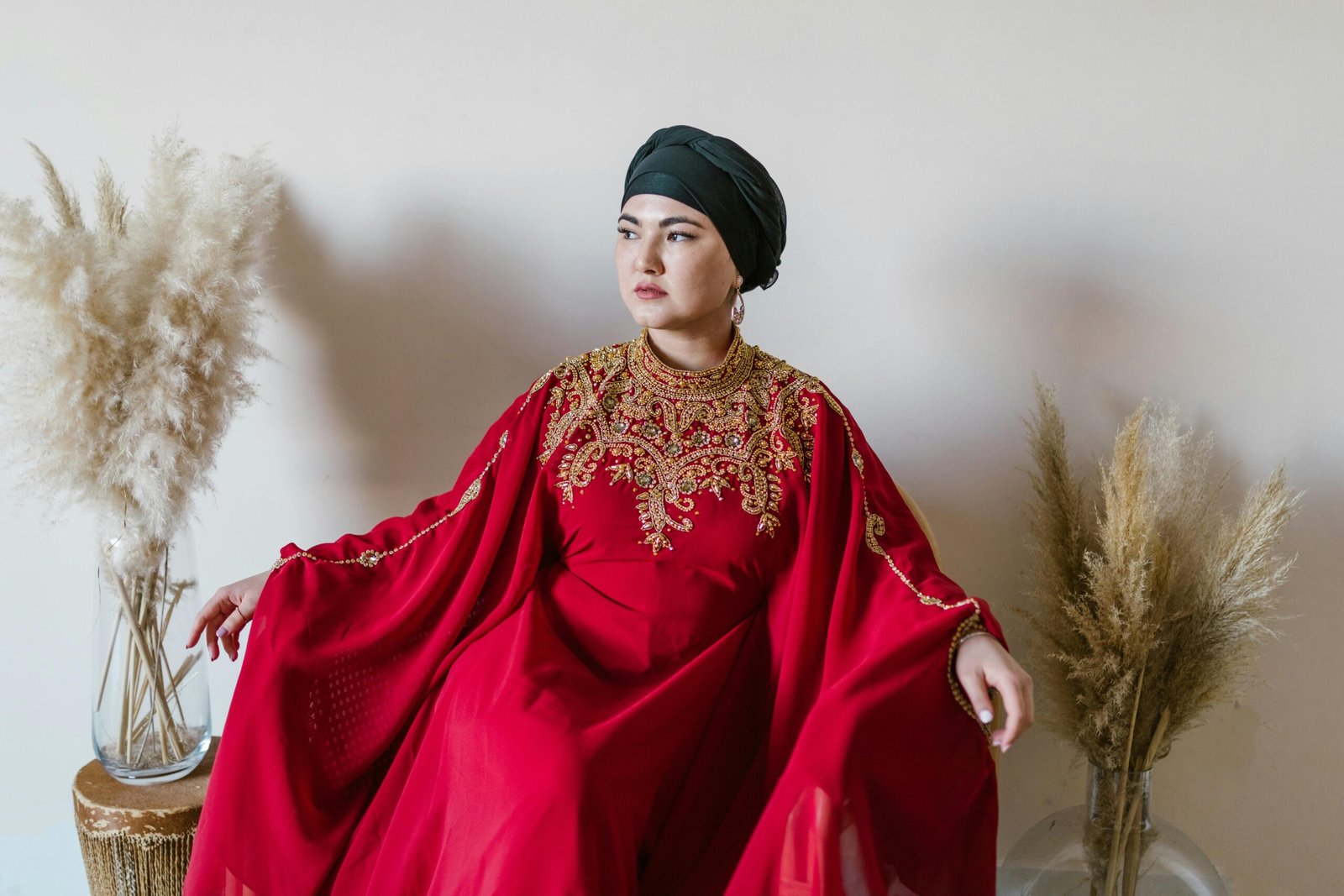
Beyond the caftan, there’s this amazing story that’ll make you want to book a flight to Marrakech immediately. Picture this: a full-length, flowy robe that’s basically wearable art. But it’s way more than just a pretty dress—it’s like a time capsule of Moroccan history, packed with centuries of craftsmanship secrets, family traditions, and serious style.
Here’s the wild part: this traditional Moroccan dress went from being worn by 16th-century royalty to showing up on Beyoncé and Ivanka Trump at red carpet events. Talk about a glow-up! Let me walk you through how this incredible piece of Moroccan fashion became an international sensation while staying true to its roots.
The Historical Journey: From Mesopotamia to the Maghreb
Okay, so the caftan’s family tree goes way back—like Ancient Mesopotamia back. These loose, comfy robes were perfect for desert life (because let’s be honest, who wants tight clothing in that heat?). The Ottoman Empire then picked up the trend and spread it all around the Mediterranean.
But here’s where Morocco’s story gets really interesting. Most historians say the caftan landed in Morocco around the 16th century, though some records hint it might’ve shown up as early as the 12th century. Either way, it came with Moors and Sephardic Jews who were fleeing the Spanish Inquisition. They brought their textile know-how with them, and Morocco was like, “Yes, we’ll take that and make it even better.”
What happened next was this beautiful mashup—Andalusian style met North African flair, and boom, you’ve got something totally unique. Fun fact: back in the day, everyone wore caftans—men and women alike. But these days in Morocco? When you say “caftan,” you’re talking women’s fashion exclusively. Men have their own version called the foqiya or djellaba, but the word “caftan” is all about the ladies now.
The Anatomy of Artistry: Key Design Elements
Making a real Moroccan caftan isn’t something you learn on YouTube. You need a maalem—that’s the master artisan who’s spent years (we’re talking decades) perfecting the craft. These folks know everything about weaving, dyeing, and cutting fabric in ways that’ll blow your mind.
First up: the fabric. We’re not talking polyester from the mall here. Think Chinese silk, Italian velvet, fancy brocade, or traditional handwoven wool. The fabric choice sets the whole vibe—whether it’s elegant and light or dramatic and luxurious.
But the real magic happens with the details:
Sfifa and Aakad: These are the silk braiding and traditional buttons you’ll see along the front. They’re not just decorative—they take hours of careful handwork and basically turn a simple robe into a masterpiece.
Tarz (The Embroidery): This is where things get insane. Imagine spending weeks or even months stitching intricate patterns with actual gold and silver thread. The designs can be geometric, floral, or abstract, and every single stitch matters. When you see a caftan with amazing embroidery, know that someone poured their heart and soul into it.
Mdamma (The Belt): Don’t sleep on the belt! This accessory (made with gold or silver thread, sometimes with gemstones) is what transforms the whole look. It cinches the loose silhouette and gives you that classic hourglass shape. It’s like the exclamation point of the outfit.
The Five Schools of the Moroccan Caftan
Here’s something I love: different Moroccan cities have their own signature caftan styles. It’s like how pizza tastes different depending on whether you’re in New York or Chicago, except way more glamorous:
| Style | City | What Makes It Special | Colors | The Vibe |
|---|---|---|---|---|
| Fassi | Fes | Heavy, fancy fabrics | Deep jewel tones | That Ntaa gold embroidery is chef’s kiss |
| Rbati | Rabat | Classy and understated | Soft pastels | Think subtle floral patterns, nothing too loud |
| Marrakchi | Marrakech | Bold and in-your-face | Reds, oranges, hot pinks | Maximum drama with strong patterns |
| Tetouani | Tetouan | Mediterranean vibes | Blues, greens, whites | Light and breezy, perfect for coastal life |
| Oujdi | Oujda | Seriously opulent | Dark velvets, midnight blues | Goes big on jewelry and embellishments |
Each style tells you something about where it’s from—the climate, the history, the local personality. That’s what makes traditional Moroccan dress so fascinating. It’s not one-size-fits-all; it’s deeply personal to each region.
Crossing Borders: How the Caftan Went Global
The 1950s were a game-changer. Designers like Tamy Tazi and Zina Guessous had this lightbulb moment: “What if we made caftans that people outside Morocco could actually wear?” So they stripped away some layers, picked lighter fabrics, and simplified things a bit—but kept the soul intact. Genius move.
Then Diana Vreeland (basically the queen of Vogue) got her hands on them in the 1960s and was like, “America needs to see this.” Suddenly, the caftan was everywhere. Big-name designers like Christian Dior, Balenciaga, and Yves Saint Laurent started getting inspired. YSL especially fell hard for Moroccan style after visiting Marrakech—you can see it all over his work.
Fast forward to today, and you’ve got Oprah singing its praises, J.Lo wearing designer versions, and Beyoncé absolutely killing it in elaborate caftans. When Queen Bey wears your traditional dress, you know you’ve made it.
But here’s the funny thing: the caftan’s Western pop culture journey hasn’t always been glamorous. Remember Mrs. Roper from “Three’s Company” in the ’70s? Those campy caftan muumuus became comedy gold—totally different from the elegant original. People still throw “Roper Romp” parties celebrating that kitschy vibe. It’s like the caftan has a split personality: high fashion runway star and sitcom comedy prop. Wild, right?
Cultural Significance & Modern Ethics
In Morocco, caftans aren’t just for looking good—they’re part of life’s biggest moments. Weddings? Brides change into multiple caftans throughout the celebration, each one showcasing different styles or honoring family heritage. Mothers pass down their favorite caftans to daughters like treasured heirlooms. These aren’t just clothes; they’re family stories you can wear.
There’s also this amazing economic side to the story. Tons of Moroccan women have built entire businesses around making caftans. They run workshops, employ other artisans, and support their families—all while keeping traditional skills alive. That’s pretty powerful stuff.
But we need to talk about the elephant in the room: cultural appropriation. When big international brands slap together “caftan-inspired” clothing without any context, or when fast fashion knocks off designs without crediting Moroccan artisans, it’s not cool. It strips away the meaning and hurts the people who’ve been perfecting this craft for generations.
The difference between appreciation and appropriation? Buy from actual Moroccan artisans, learn about what the garment means, give credit where it’s due. Respect the fact that beyond the caftan is an entire world of tradition and craftsmanship that deserves to be honored, not just copied.
Conclusion: The Future of “Made in Morocco”
With everyone talking about sustainable fashion these days, the Moroccan caftan is basically the poster child for doing things right. Each one is handmade, uses natural materials, and represents hours of skilled work. It’s the complete opposite of fast fashion—and people are loving that.
For Moroccans living abroad, caftans are even more meaningful. Wearing one at a wedding or cultural event is like carrying a piece of home with you, no matter where you are in the world. It’s that connection to your roots that never goes away.
That 2025 UNESCO recognition? It’s not just a fancy certificate. It’s a promise that future generations will understand why this matters. It tells Moroccan artisans, “Your work is important. Your heritage deserves protection. What you create has real value.”
Moroccan fashion, especially the caftan, shows us that old traditions and modern style can totally coexist. The trick moving forward is making sure we honor that legacy—supporting real artisans, educating people about the cultural significance, and letting Moroccan voices tell the story.
The future of “Made in Morocco” depends on us remembering that some things shouldn’t be mass-produced. Real luxury takes time. And once cultural heritage is lost, you can’t get it back.
The caftan keeps evolving while staying unmistakably Moroccan. It welcomes the world but never forgets where it came from. Every stitch, every gold thread, every carefully placed button carries centuries of history forward. And honestly? I think its best chapters are still ahead.