
Exploring Moroccan Medinas & Souks: How to Make the Most of Your Visit
Exploring Moroccan Medinas & Souks is one of the best ways to discover Morocco’s culture, history, and vibrant daily life.
When you enter the historic medinas and lively souks, you’re surrounded by colors, smells, and sounds. The Gnawa Music beats add to the experience. Imagine diving into the local culture, seeing traditional crafts, and tasting local food during Ramadan Celebrations.
You’ll get to see the rich cultural heritage, where Moroccan folk music is a big part of life. The medinas, with their narrow alleys and history, mix tradition and modernity. Walking through the souks, you’ll find amazing local crafts, spices, and textiles.
What Are Moroccan Medinas?
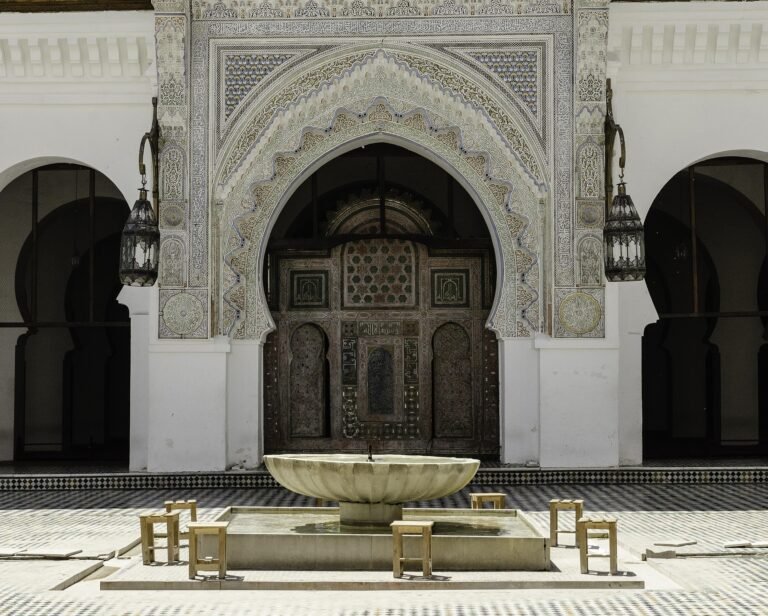
When you enter a Moroccan medina, you’re surrounded by colors, sounds, and smells. The medina is the old part of a Moroccan city. It’s surrounded by high walls and gates called “bab.” The word ‘medina’ means ‘city’ and always refers to the old city center.
Definition and Significance
Moroccan medinas are the heart of the country’s cities. They hold the history, culture, and identity of Morocco. These areas are filled with narrow streets, historic monuments, traditional shops, and local markets.
The medina’s layout and architecture help create a sense of community and safety. The narrow streets and alleys are closed at night. This makes the medina a secure place for residents. It also helps people come together in public spaces to socialize and do daily activities.
Historical Context
Moroccan medinas were built for protection against invaders. The high walls and gates were to keep residents and their belongings safe. Over time, the medinas have changed to meet the needs of their people while keeping their history.
The medinas are also key to Morocco’s cultural and musical heritage. Gnawa music is a big part of this. Gnawa music comes from sub-Saharan Africa and has changed over time, influenced by cultural exchanges.
Modern-Day Relevance
Today, Moroccan medinas are lively centers of local life. They mix tradition and modernity. Visitors can see the rich heritage of Morocco by walking the narrow streets, visiting historic sites, and talking to local artisans.
The medinas host cultural events and festivals. These show off Morocco’s rich cultural traditions, including cultural music traditions. Exploring the medina, you’ll find a world where old and new blend together. It’s a place for history, culture, or just experiencing local life.
The Vibrant Atmosphere of Souks
Moroccan souks are a world of colors, sounds, and smells. They will amaze you and make you want to see more. Walking through the narrow alleys, you’ll smell exotic spices and fresh bread. It’s a world that’s both busy and beautiful.
Sounds and Scents of the Market
The souk’s sounds are as lively as its colors. You hear Sufi trance music from a café, mixed with merchants calling out. The smell of Moroccan mint tea invites you to try the local welcome. Walking around, you hear pottery clinking and traders talking, creating a lively buzz.
Colors and Textures of Products
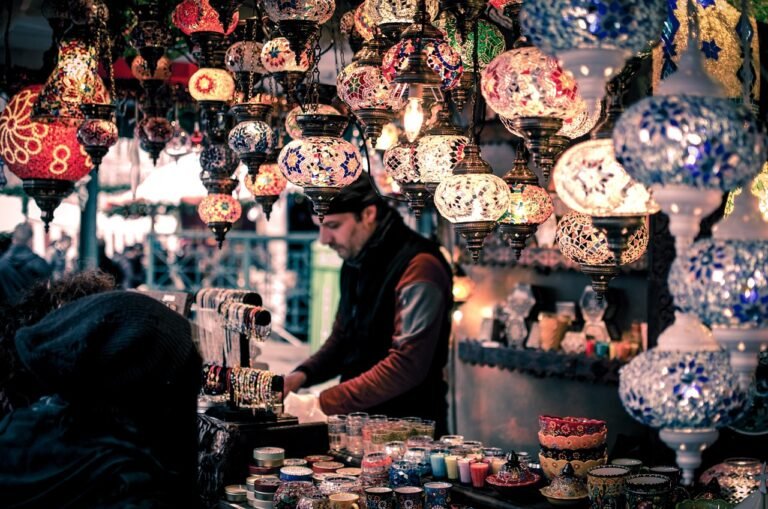
The souks are full of colorful textiles, pottery, and jewelry. Your senses enjoy a colorful feast. The bright colors of handwoven textiles and Moroccan tiles are perfect for photos. During Moroccan Ramadan traditions, the souks are even more lively, filled with joy and community.
When you visit the souks, take your time to see the skill in each item. From a vase’s patterns to jewelry’s designs, each piece has a story. The souks are more than a place to shop; they’re a deep dive into culture that stays with you.
Must-Visit Medinas in Morocco
The medinas of Morocco are more than just old sites. They are alive with culture and trade. Walking through their tight streets, you’ll see bright colors, smell delicious smells, and hear the buzz of markets.
Marrakech: The Jamaa el-Fnaa Experience
Marrakech is a feast for your senses. The Jamaa el-Fnaa square is the heart of it all. Here, you can watch street acts, try tasty foods, and find special gifts. During Ramadan, the vibe is even more lively, with Festive Ramadan music making it even more fun.
Fes: A UNESCO World Heritage Site
Fes has one of the oldest and biggest medinas in the world. It’s a UNESCO site, showing Morocco’s deep history. You can see old buildings, visit schools, and try local food.
Essaouira: Coastal Charm and Craftsmanship
Essaouira is by the sea and feels calmer than Marrakech. The medina is famous for its wood and fabric crafts. You can hear Gnawa music instruments, check out the lively markets, and enjoy fresh sea food.
Every medina in Morocco is special, with its own markets and landmarks. Whether you love Marrakech’s energy, Fes’s history, or Essaouira’s sea views, Morocco’s medinas will stay with you forever.
Navigating the Souks
The souks of Morocco are a sensory paradise. Knowing how to navigate them can make your experience better. As you explore, you’ll see a world of colors, sounds, and scents.

Tips for First-Time Visitors
For first-timers, being prepared is key. Start by being aware of your surroundings and keeping your belongings safe. Don’t hesitate to engage with the locals; they’re often friendly and ready to help.
Understanding the souk’s layout is also helpful. While it may seem complex, many souks are organized by product type. This makes it easier to find what you’re looking for.
Best Times to Experience the Markets
The best times to visit souks vary by location and season. For example, visiting during Ramadan festivities is special, with a unique atmosphere.
Visiting in the cooler months is more comfortable. Arriving early in the morning or late in the evening can also help you avoid the heat and crowds.
Understanding Local Currency and Prices
Knowing the Moroccan dirham and having cash is important, as not all vendors accept credit cards. Haggling is a part of the souk culture, so be ready to negotiate.
Understanding average prices helps you make smart choices. Don’t be afraid to compare prices across different stalls to get a good deal.
Unique Crafts and Products
Wandering through Morocco’s vibrant souks reveals a world of unique crafts and products. These souks showcase the country’s rich cultural heritage. You’ll find traditional craftsmanship and goods that make perfect souvenirs or personal treasures.
Handmade Textiles and Clothing
In Moroccan souks, handmade textiles and clothing stand out. You’ll see beautifully woven fabrics and detailed embroidery. Traditional items like djellabas and kaftans are also available.
These items are not just beautiful. They also showcase Morocco’s textile heritage. The vibrant colors and patterns often reflect Moroccan folk music and cultural celebrations.
Intricate Pottery and Tiles
Moroccan souks are famous for their detailed pottery and tiles. Skilled artisans create these items by hand. The tiles, known as Zellij, are known for their geometric patterns and bright colors.
These tiles decorate walls and furniture, adding Moroccan elegance. You can also find unique pottery, like plates, vases, and tea sets, as souvenirs.
Authentic Moroccan Spices
Visiting the souks without trying the authentic Moroccan spices is a missed opportunity. From ras el hanout to Moroccan tea, the souks offer a sensory delight. The spices are sold in colorful markets, often with the sounds of Gnawa Music in the background.
Whether you want to cook Moroccan dishes or just want unique souvenirs, the souks are ideal. Exploring the souks also lets you experience local culture, like during Ramadan Celebrations. The souks’ unique crafts and products are a testament to Morocco’s rich heritage, making for an unforgettable experience.
Cultural Etiquette and Interaction
Exploring Morocco’s medinas and souks is more than finding deals. It’s about being culturally sensitive. As you walk through the narrow alleys and lively markets, you’ll see, hear, and smell a rich culture. Knowing and respecting local customs makes your trip better.
Engaging with Local Artisans
Being respectful and open-minded is key when talking to local artisans and vendors. They take pride in their work, like weaving, making instruments, or performing Sufi trance music. Talking to them can teach you about their craft’s cultural value.
Imagine being in a workshop where Moroccan instruments are made. The artisans might tell you about music’s role in Moroccan culture. They might talk about Sufi trance music and its spiritual importance.
Respecting Tradition and Practices
Morocco blends tradition and modernity beautifully. When in medinas, it’s important to respect local customs, like during cultural or religious events. For example, during Ramadan, shops and stalls might close during the day. It’s polite to not eat or drink in public during fasting hours.

Learning about cultural music traditions adds depth to your visit. Sufi trance music, for example, is more than entertainment. It’s a spiritual practice. Showing respect for these traditions can lead to deeper connections with locals.
Culinary Delights in the Medinas
Walking through Morocco’s medinas, you’ll find a world of flavors. The medinas are stunning and a food lover’s dream. You’ll smell fresh bread, hear sizzling meats, and see vibrant spices and produce.
Street Food: A Flavorful Adventure
Street food in Moroccan medinas is a must-try for the bold. You’ll find everything from savory tagines to sweet pastries. Don’t miss out on grilled meats and freshly squeezed fruit juices. It’s a delicious way to experience local culture and traditions.
Traditional Moroccan Dishes to Try
Moroccan food combines Arab, Mediterranean, and African tastes. You must try tagine and couscous. During Moroccan Ramadan traditions, the atmosphere is special, with Gnawa music instruments playing.
Best Local Restaurants in the Medinas
Street food is great, but local restaurants in the medinas are also top-notch. They serve traditional dishes in a cozy setting. Look for places locals love. Ask your hotel or guides for the best spots.
Exploring Moroccan medinas’ food is key to your trip. Come hungry and ready to try new things. Street food, restaurants, and markets offer a rich and unforgettable food adventure.
The Role of Medinas in Moroccan Society
The medinas of Morocco are more than just old parts of town. They are alive, showing the country’s history, culture, and how people live together. When you explore these areas, you dive into the daily life and traditions of the locals.
Community Hubs and Social Life
Medinas are the heart of communities, where people come together. They are where locals share stories and take part in activities. During Ramadan, the medinas buzz with Festive Ramadan music and celebrations, filling the air with joy.
The souks in medinas are more than markets. They are places where people meet, talk, and make friends. You can feel the warmth of Moroccan hospitality by talking to local vendors and artisans.
Preservation of Culture and Heritage
Medinas are key in keeping Morocco’s culture and heritage alive. They protect traditional practices, crafts, and customs. Traditional Gnawa performances show the rich cultural heritage that medinas help preserve and share.
Walking through the medina’s narrow streets, you’re surrounded by the sights, sounds, and smells of traditional Morocco. From the detailed tile work to the colorful textiles, everything shows the country’s rich cultural history.
Planning Your Trip to Moroccan Medinas
Getting ready to explore Morocco’s lively medinas and souks? Think about when you’ll go to get the most out of it. Visiting during Ramadan can give you a special look into Morocco’s culture and faith.
Optimal Travel Time
The best time to see Morocco is in spring (March to May) and autumn (September to November). The weather is nice and not too hot. Stay away from summer if you can’t handle the heat.
Packing Essentials
Don’t forget comfy shoes, sun protection, and clothes that cover you up. Be ready to bargain and try local food. It’s a big part of Moroccan life.
Guided Tours or Solo Exploration
Going with a guide or on your own, diving into the local culture is important. Enjoy the music and respect the customs and ways of life.
Keep these tips in mind to make your trip to the Moroccan medinas unforgettable.